
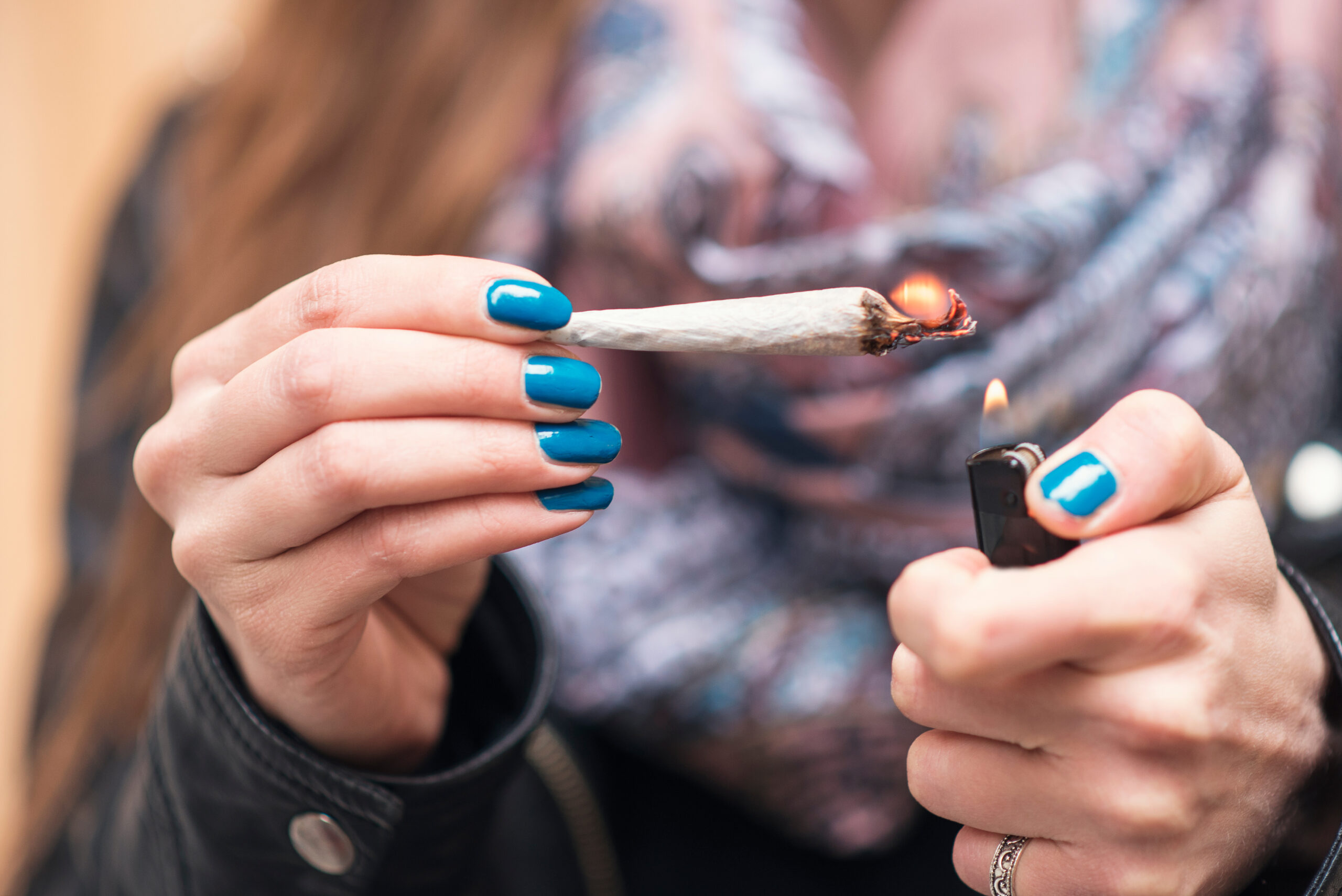
The current status of cannabis legalization in Virginia—and it’s a bit of a unique situation
Cannabis legalization in Virginia is in a transitional and somewhat unusual phase compared to other states. While personal use has already been legalized, the state has yet to fully implement a regulated retail market, creating a gap between what is legal to possess and what is legally available for purchase.
As it stands today, adults 21 and older in Virginia can legally possess up to one ounce of cannabis. They are also permitted to grow up to four plants per household for personal use, provided the plants are labeled and kept out of public view. Sharing cannabis without payment between adults is allowed as well, which has led to informal workarounds in the absence of a legal retail system. This framework has been in place since 2021, making Virginia one of the earlier Southern states to legalize personal use.
However, despite the legalization of possession and home cultivation, recreational cannabis sales remain illegal. This means there is currently no legal way for adult-use consumers to purchase cannabis unless they are registered in the state’s medical marijuana program. Licensed medical dispensaries operate legally, but access is limited to patients with qualifying conditions and proper certification. This disconnect has made Virginia an outlier among states that have legalized cannabis, as most have paired legalization with a functioning retail market.
Efforts to close this gap are actively underway. Lawmakers in the Virginia General Assembly have passed legislation aimed at establishing a regulated adult-use cannabis retail market. The proposed system would create a structured framework for cultivation, distribution, and sales, along with mechanisms for taxation and oversight. The legislation has been sent to Abigail Spanberger, who must decide whether to sign it into law. Her decision will play a critical role in determining how quickly Virginia moves toward a fully legalized marketplace.
If the measure is approved, the state would begin issuing licenses, establishing regulatory agencies, and building the infrastructure needed for legal sales. While there is optimism about progress, implementation will take time. The earliest projections suggest that retail cannabis sales could begin as soon as late 2026, though a more realistic timeline points to 2027 for a fully operational market.
In its current state, Virginia represents a unique case study in cannabis policy. It has legalized possession and personal use, signaling a clear shift in public policy and social attitudes, yet it has not completed the transition to a commercial market. This has created both challenges and opportunities, including lost state tax revenue and consumer confusion, while also giving policymakers more time to refine how a regulated system should function.
Ultimately, Virginia is moving toward full legalization, but it has not arrived there yet. The coming months will be critical in shaping whether the state can successfully bridge the gap between legalization in principle and legalization in practice.