
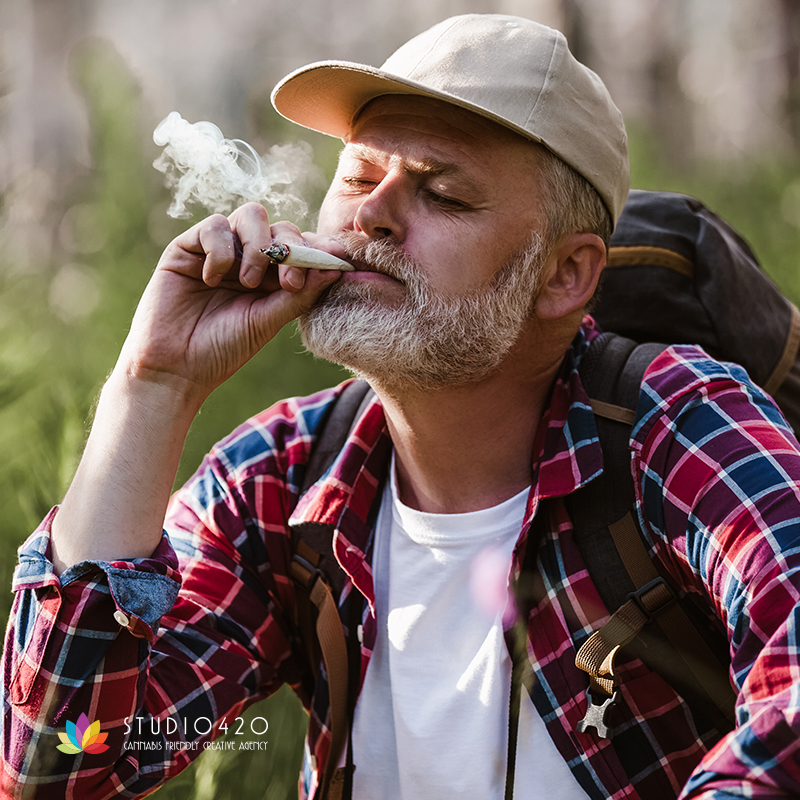
A powerful marketer works by understanding their market demographics and creating brand archetypes to truly reach their customers.
Working off the human experience, archetypes are recognizable at the subconscious level, so potential customers immediately identify with the message you’re sending. In the cannabis field, the use of archetypes addresses the complex demographics now present in the marketplace. After all, cannabis users have come far from the stigmatized image of the lazy stoner, pothead, or couch potato.
The result: your brand and message are recognizable and identifiable by your target audience.
The pandemic has resulted in a much stronger demand for cannabis products. Whether it’s the stressors of a global pandemic, quality of life enhancement, or increased accessibility due to expanded state legalization, the industry is ready to connect to today’s users and introduce them to boutique strains, precise lab-tested products, safe and professional packaging, and welcoming retail locations.
And just who is partaking of the cannabis market? Let’s take a look at the 6 archetypes that make up cannabis consumers. According to the data, the breakdown is as follows:
Seasoned consumers: These are people who have been using cannabis for a long time, primarily for health and wellbeing. 24% of them report experiencing stress and consuming cannabis to help them deal with it, and 64% of them support recreational legalization.
Casual social: These are the new young consumers who have integrated cannabis products into their lifestyle. A majority of them (75%) take health supplements, and 61% of them favor recreational cannabis legalization.
Dabbler: These are the people who only dabble in cannabis once in a while. Even though they are comfortable with cannabis and know all about it, they don’t see it as an integral part of their lifestyle.
Canna-curious: These are a wide consumer group having an interest in recreational cannabis consumption, but only if it was legalized in their area. However, they don’t have much knowledge about the use or benefits of cannabinoids.
Unsparked: These are consumers who have negative feelings towards cannabis use. However, because of their self-admitted uncertainty around it, there is still a chance that they could be persuaded to use it. Some of them believe cannabis is unsafe to use, while a small portion of them see cannabis as something that can improve their lifestyle.
Naysayers: These people have strong feelings against recreational use, with only 8% supporting legalization of any sort. They are not a priority for brand owners or manufacturers.
Generations Intersect
A recent study found there are similarities between Baby Boomers and Millennials when it comes to attitudes around cannabis.
The study discovered that inhaling pot is the preferred method of consumption for both Boomers and Millennials. Boomers have more experience with pipes and joints given their age, as opposed to more modern, current methods available today. Meanwhile, Millennials began using cannabis when inhalation was more prevalent compared to edibles or vape pens.
Both Boomers and Millennials report using cannabis to relax. Both groups said they spend around the same money each month on cannabis, and both reported increasing consumption since the start of the pandemic. Average spending jumped around $27 each month, on top of the approximate $76 they were already allocating before COVID-19.
Differences were found when it came to consumption methods.
One of the biggest differences between how Millennials and Boomers consume marijuana lies in the reasons why each generation consumes it. Nearly half of Millennials in the study consume for recreational reasons. In contrast, Boomers are twice as likely to use marijuana solely for medical reasons. Among those who consume for medical reasons, the top health ailments vary between generations. Millennials cite chronic pain (27%) and migraines (13%) as their top medical reasons, compared to Boomers who consume for arthritis (15%) and chronic pain (13%).
Millennials also smoke more cannabis. According to the study, Millennials are more likely to identify as daily consumers. 1 in 5 Millennials said they consume marijuana daily, compared to just 12 percent of Boomers. Boomers were more likely to have a wake-and-bake habit, reporting increased cannabis use in the smaller hours, likely attributed to being retired and enjoying a relaxed lifestyle, compared to Millennials, who are typically in the prime of their working careers.
What about Gen Z?
Studies show Gen Z users aren’t as familiar with inhalation; they prefer edibles and vape products. Economics also plays a role when it comes to consumers’ preferred methods. Flower is much more affordable; young consumers with less spending power will typically opt for flower, even if there are other methods available.
Communicate powerfully with your cannabis consumers through the power of archetypes. Contact Studio 420 at 303-653-9855 for an in-depth look at how our professional services can help you enhance your marketing and messaging.
#######
Studio 420 is a cannabis and psychedelics creative agency specializing in branding, UX/UI design, web development, ecommerce, and digital marketing solutions. We offer a variety of services to ELEVATE your online web presence.
Contact our Denver, Colorado office for a no-obligation, project cost analysis at 303-653-9855.
Been playing on 80win8 for a bit now. Gotta say, the payouts have been pretty consistent. Definitely one to watch.